Tactical fit
A good player is not always the right player. This shows where each footballer fits best: which style of team, which role, and what could go wrong. Pick a role to find the Premier League players who suit it, or open any player to see his full report.
Find players for a role
Style of team (optional)
Role
Goalkeeper
Centre-back
Full-back
Wing-back
No. 6 (holding midfield)
No. 8 (central midfield)
No. 10 (attacking midfield)
Winger
Striker
Poacher · High-intensity pressing
Lives in the box and finishes chances.
- 1Erling Haaland
 Manchester CityConditional fitStrong at: goal threat, influence on gamesEvidence 70% · 890 minutes70
- 2Thierno Barry
 EvertonLimited fitStrong at: goal threatEvidence 70% · 855 minutes68
- 3Evanilson
 AFC BournemouthLimited fitStrong at: influence on gamesEvidence 70% · 843 minutes68
- 4Nicolas Jackson
 Aston VillaLimited fitStrong at: influence on gamesEvidence 70% · 727 minutes61
- 5Charalambos Kostoulas
 Brighton & Hove AlbionLimited fitEvidence 70% · 731 minutes61
- 6Alexander Isak
 LiverpoolLimited fitStrong at: goal threat, influence on gamesEvidence 70% · 751 minutes60
- 7Morgan Gibbs-White
 Nottingham ForestPoor fitEvidence 70% · 810 minutes56
- 8Liam DelapNottingham ForestPoor fitEvidence 70% · 682 minutes54
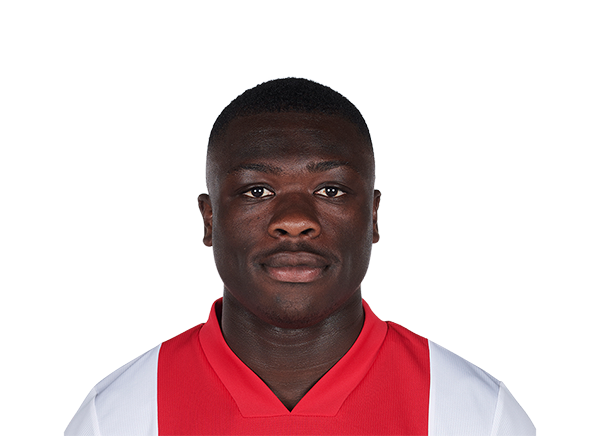
- 9Brian Brobbey
 SunderlandPoor fitEvidence 70% · 623 minutes53
- 10Igor Thiago
 BrentfordPoor fitEvidence 70% · 826 minutes51
- 11Dan NdoyeNottingham ForestPoor fitStrong at: goal threatWeak at: influence on gamesEvidence 70% · 625 minutes50
- 12Yéremy Pino
 Crystal PalacePoor fitWeak at: influence on gamesEvidence 70% · 692 minutes48
- 13Kai Havertz
 Arsenal FCPoor fitEvidence 70% · 736 minutes44
- 14Dominic Calvert-Lewin
 Leeds UnitedPoor fitWeak at: influence on gamesEvidence 70% · 866 minutes41
- 15Emersonn
 Ipswich TownPoor fitWeak at: influence on gamesEvidence 70% · 661 minutes39
- 16Gonzalo García
 FulhamPoor fitWeak at: influence on gamesEvidence 70% · 825 minutes36
- 17Oliver McBurnie
 Hull CityPoor fitWeak at: goal threatEvidence 70% · 888 minutes31




Players with little playing time or too little evidence are left out. A fit score is a guide, not a guarantee.
Five ways teams play
We judge a player against how a team plays, not just its formation. The same 4-3-3 can be played in very different ways.
Positional possession football
Controls games by keeping the ball and moving it patiently through set positions.
Often seen as: 4-3-3, 3-2-5 in possession, 2-3-5 in possession
High-intensity pressing football
Wins the ball high up the pitch with a coordinated, tireless press.
Often seen as: 4-3-3, 4-2-3-1, Aggressive 3-4-3
Transition-based football
Attacks quickly the moment the ball is won, using space left behind.
Often seen as: Direct 4-4-2, Transitional 4-3-3, 5-3-2
Structured positional attacking
Rotates players between positions so the shape changes as the team attacks.
Often seen as: 4-3-3 turning into 3-2-5, 4-2-3-1 turning into 2-3-5
Compact defensive and counter-attacking football
Stays tight and organised, then hits the opponent on the break.
Often seen as: 4-4-2, 5-3-2, 5-4-1
What we can and cannot judge yet
From the stats we hold we can judge: creating chances, goal threat, winning the ball, keeping goals out, influence on games, match load and discipline. We cannot yet judge passing quality, moving the ball forward, calm under pressure, reading space, speed, aerial ability or decision-making. Those need scouting or detailed match-event data. Our scouts rate them player by player, and until a player is rated they are left out of his score and shown as evidence still needed.
Tactical fit is not the same as how good a player is or how good he could become. A fit score is a guide based on the stats we hold, not a guarantee of success, and the bands are starting values we will adjust against real results. Anything we cannot measure yet is left out, never counted as a weakness.